How Much Rest Time Should Teams Get Between Matches in a Bracket?
Too little rest produces injuries and lopsided games; too much produces a dead schedule. Here is how to set a minimum, build it into the grid, and enforce it when the day runs late.
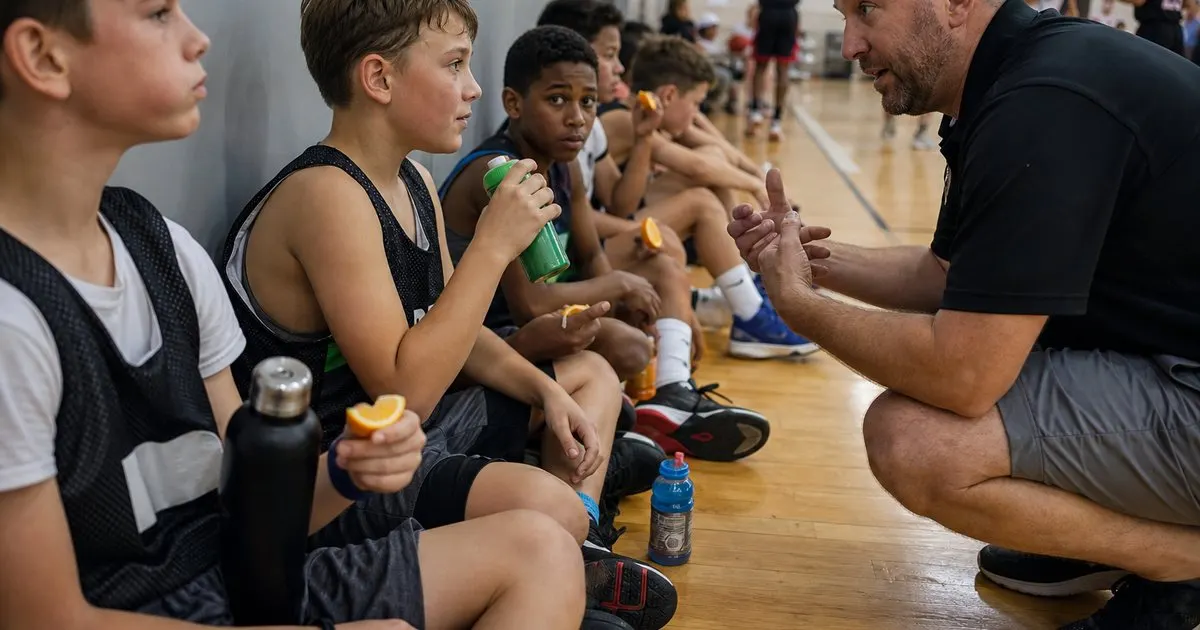
Why rest is a scheduling rule, not a courtesy
A team that finishes a full game and walks straight into another is not playing at its level, especially youth and adult recreational teams with short benches. The second game becomes a test of fatigue rather than skill, and the results stop meaning what the bracket says they mean. Cramps and soft tissue injuries also cluster in a team's third game of the day and in games played immediately after another one. A minimum rest period is a fairness and safety decision, and it belongs in the rules packet next to the tiebreakers and the forfeit policy. Related: How Do You Seed Teams Fairly in a Single Elimination Tournament Bracket?
Rest is mostly a bracket problem. In pool play you control the pairings and can spread each team's games across the morning. In a bracket, the winner of game A must play the winner of game B, and if game B was scheduled a slot later or ran long, one team arrives at the next round with twice the rest of the other. Thoughtful slot placement reduces this; a written minimum sets a floor so that when the schedule slips, the tired team is protected by rule rather than by whoever argues best.
Keep reading: How Do You Seed Teams Fairly in a Single Elimination Tournament Bracket?, What Is the Difference Between Single and Double Elimination Tournament Formats?, Why Do Spectators Prefer a Live Updating Bracket Over a Printed One?. See how LiveBracketr helps you live tournament brackets and score updates.
Reasonable minimums by sport type
For short format sports (volleyball, pickleball, three on three basketball, short half youth soccer), a common floor is one full game slot off between games, which works out to roughly the length of a game. For full length games, many organizers require at least thirty minutes for youth and closer to forty five minutes to an hour for adult full length matches, and most cap youth teams at three full games in a day with a longer break after the second. Between games inside a best of three, a break of a few minutes is normal because the series is treated as one match. Related: What Is the Difference Between Single and Double Elimination Tournament Formats?
Adjust for conditions. Outdoors in summer heat, extend the minimum and add a mandatory water break inside the game. If your event is sanctioned, the governing body for your sport almost certainly publishes rest and games per day limits, and those override anything here; print them in the packet so coaches see the source. Where nothing is mandated, pick numbers you can defend, publish them, and apply them identically to every division.
Building rest into the grid
Never schedule a team in consecutive slots if you can avoid it. Aim for a one slot gap in pool play and a two slot gap before a bracket round when the preceding game is likely to run long. For bracket rounds, put both feeder games in the same slot on parallel courts so both winners arrive with equal rest. When courts are limited and the feeders must be sequential, slot a game from another division between the second feeder and the next round rather than running them back to back on the same court. Related: When Should a Tournament Use Pool Play Before the Elimination Bracket Begins?
Watch for the last game trap. The winner of the late semifinal often plays the final with far less rest than the winner of the early semifinal. Fix it by scheduling the two semifinals at the same time on two courts, or by inserting the third place game or a consolation final between the late semifinal and the final. Announce that the minimum rest applies to the final specifically, so that when a semifinal runs late the final start pushes automatically and nobody feels singled out.
Enforcing it on the day
Print the rule on the schedule page in one sentence: no team starts a game less than a stated number of minutes after its previous game ended. Then give one person authority to hold a court. The scorekeeper records the end time of every game; a live bracket does this automatically when the final score is entered, and a paper score sheet needs a clock time written on it. The director checks the next start against that time before sending teams onto the court. When a coach asks to start early because both teams are ready, allow it only if both coaches agree in front of the director and no third team loses rest as a result. Related: Why Do Spectators Prefer a Live Updating Bracket Over a Printed One?
Decide in advance what wins when a delay forces a choice between the rest rule and the venue closing time. The usual answer is that the minimum is shortened to a published emergency floor rather than dropped, and the game format is shortened (fewer sets, shorter halves) to fit the remaining window. Publish that fallback alongside the main rule. A rule written before anyone is tired is easy to enforce; one improvised at 6 p.m. with the janitor waiting is not.
- Minimum rest is a fairness and safety rule; write it into the packet and apply it to every division the same way.
- One full game slot between games is a common floor for short format sports; full length games need considerably more.
- Schedule bracket feeder games in parallel so both winners reach the next round with equal rest.
- Record game end times and give the director authority to hold a court until the minimum has passed.

Julien Jimenez
Julien Jimenez is an independent software builder based in Paris. He designs, ships, and operates focused SaaS products for small businesses and independent professionals. Read the full author page.
Live brackets everyone can follow
Live tournament brackets and score updates. LiveBracketr is built to help you put this into practice.
Create a bracketMore from the LiveBracketr blog
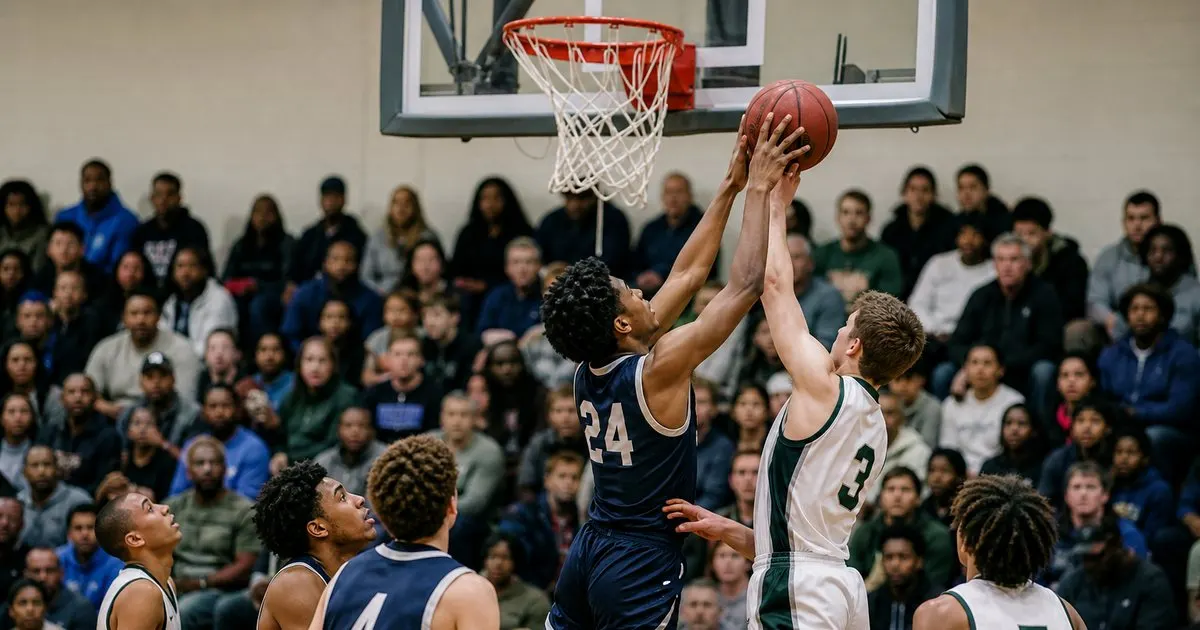
How Do You Seed Teams Fairly in a Single Elimination Tournament Bracket?
Why Do Spectators Prefer a Live Updating Bracket Over a Printed One?
Get the LiveBracketr playbook
Practical guides on tournament brackets, straight to your inbox as we publish them. No spam, unsubscribe any time.