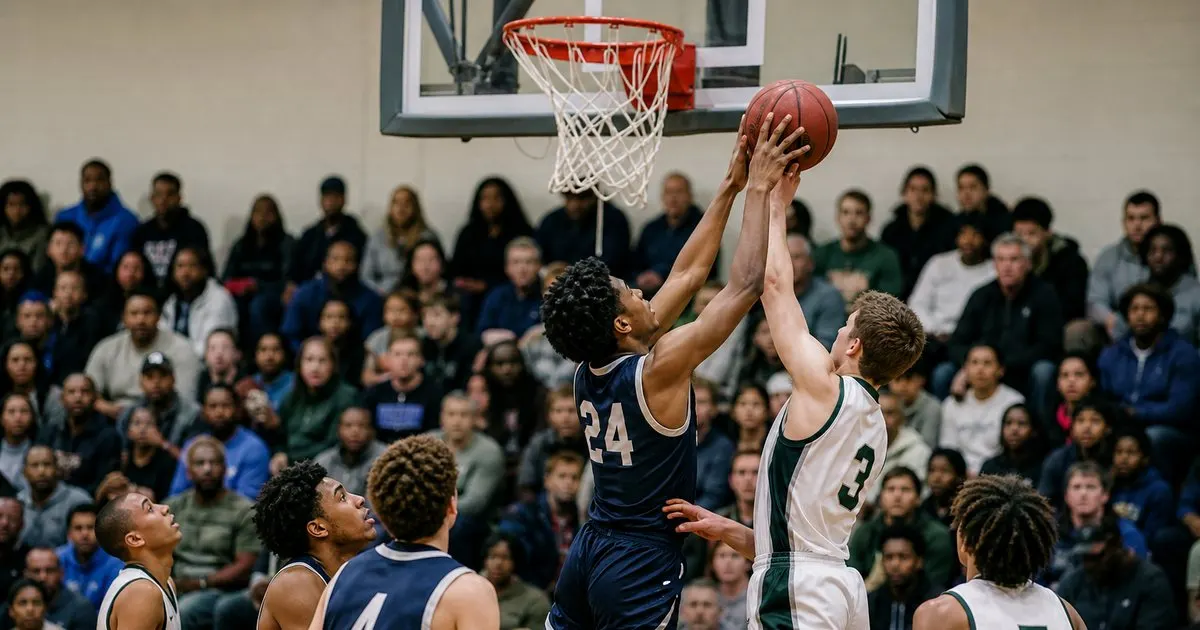
Tournament brackets
How Do You Seed Teams Fairly in a Single Elimination Tournament Bracket?
Seeding shapes who meets when, and a fair seed keeps a bracket honest. Here is how to seed a single elimination field well.
Practical, honest advice from the team behind LiveBracketr, written to help you do this well.
Seeding shapes who meets when, and a fair seed keeps a bracket honest. Here is how to seed a single elimination field well.
Choosing single or double elimination changes the whole tournament. Here is how the two formats differ and when to use each.
A printed bracket is out of date by the second round. Here is why a live bracket wins over spectators and players alike.
Few tournaments have exactly 8 or 16 teams. Here is how to place byes so an odd-sized bracket stays fair.

Pool play guarantees games before the knockout stage. Here is when adding it to your tournament makes sense.
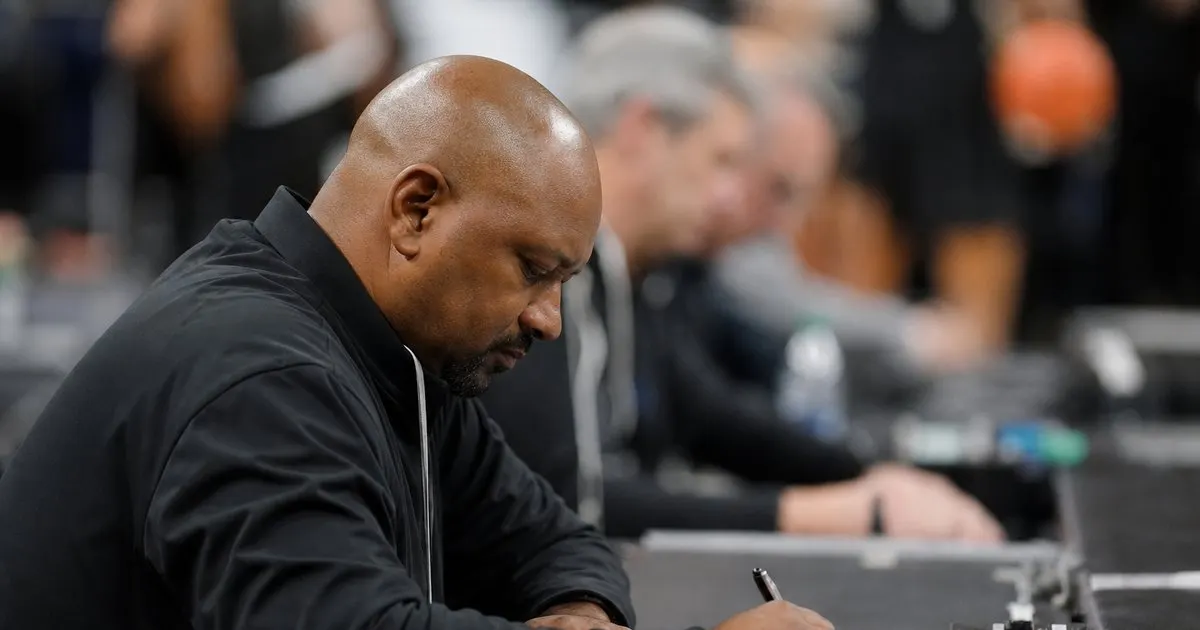
On a hectic tournament day, slow score updates stall everything. Here is how to keep results flowing quickly and accurately.

A public link turns your bracket into something the whole event can watch. Here is how to share it so everyone stays in the loop.

Fit the bracket to the day or you run out of hours. Here is how to size a bracket that finishes in one weekend day.

A disputed score can sour a whole tournament. Here is how to prevent arguments over results and who advances.
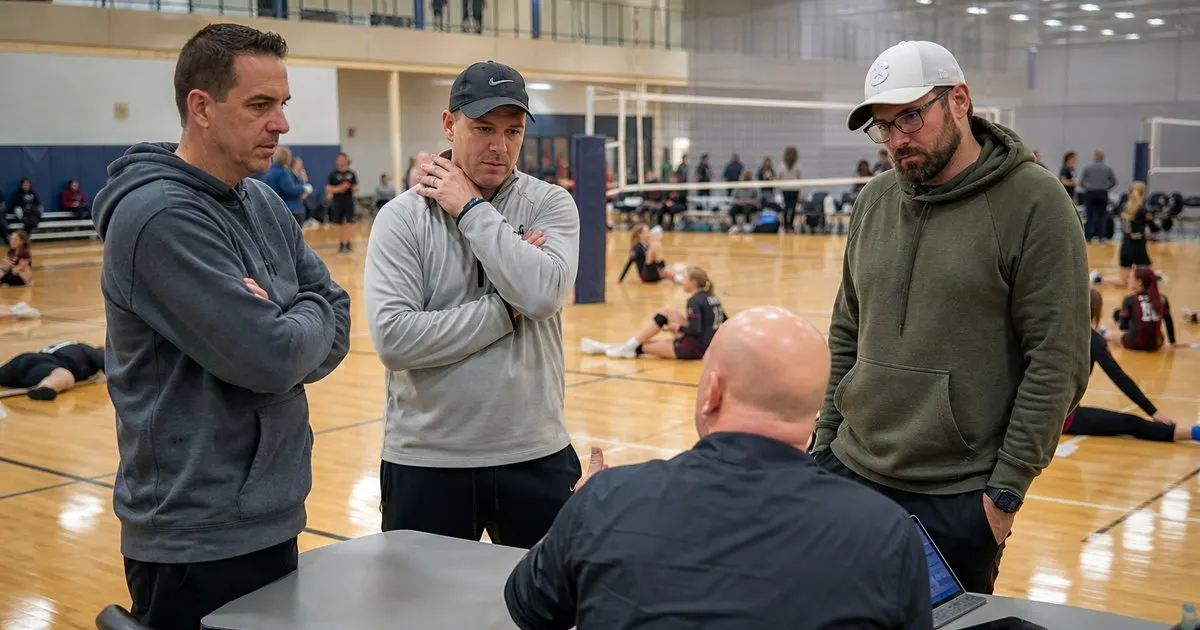
Equal records are the norm in small pools, not the exception. Here is a tiebreaker order that holds up when three coaches are standing at your table asking why their team is not advancing.
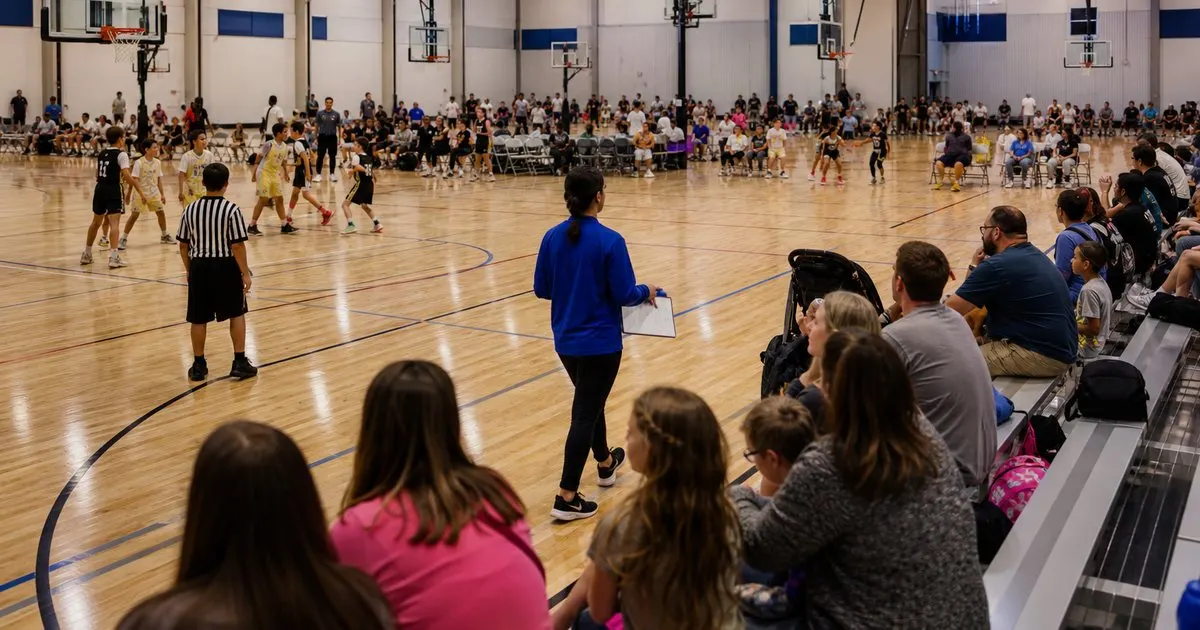
Running three divisions on four courts is mostly a slot counting problem. Here is how to build a court grid that keeps games moving, gives referees a break, and survives the first delay.

A team that loses its first game at 9 a.m. has no reason to stay. A consolation bracket gives them one, and that changes the feel, the economics, and the return rate of the whole event.
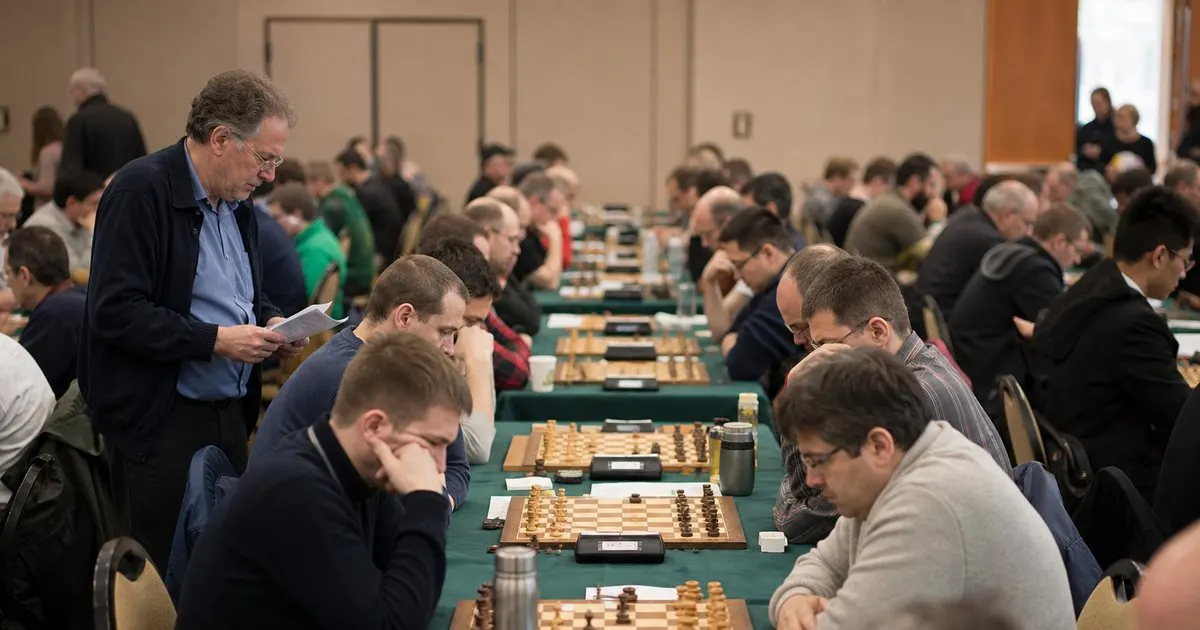
Swiss pairings let a large field play a fixed number of rounds with nobody eliminated. That is a great fit for some events and a logistical headache for others. Here is how to tell which one you are running.

Series reduce upsets but eat schedule. The usual answer is to keep early rounds short and make the late rounds longer, and the slot math explains why.

Too little rest produces injuries and lopsided games; too much produces a dead schedule. Here is how to set a minimum, build it into the grid, and enforce it when the day runs late.

A no show costs you a game slot, an opponent's mood, and sometimes the integrity of a whole pool. Here is a forfeit procedure that is fair to the team that showed up and fast enough to protect the schedule.
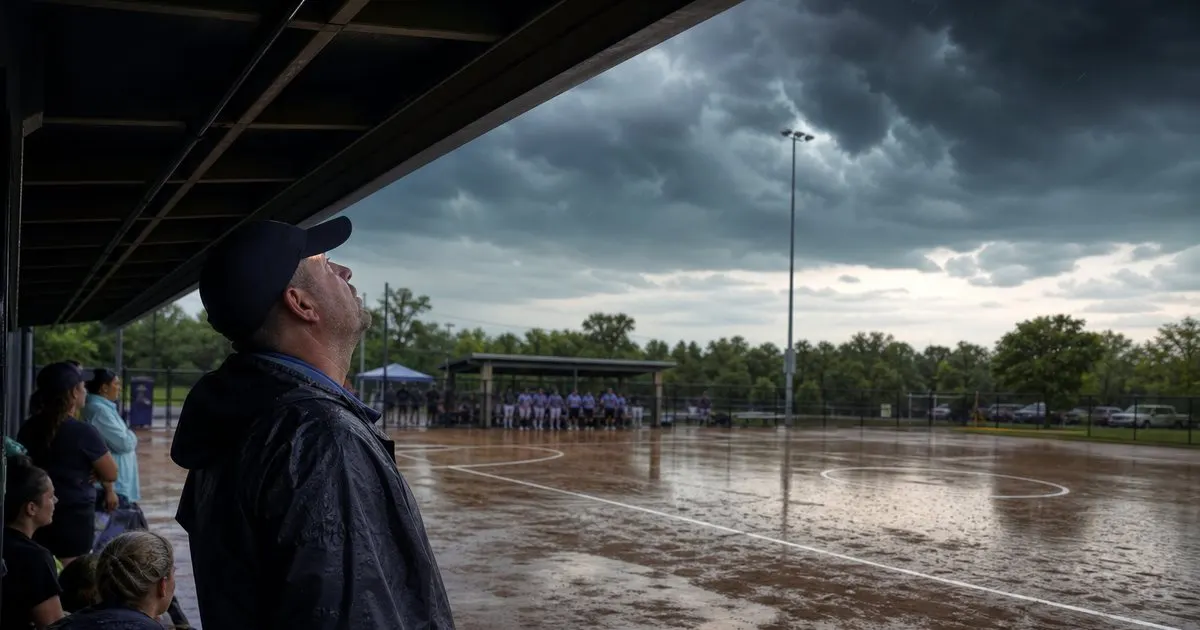
Lightning, rain, and heat delays are a matter of when, not if, for outdoor events. Here is a decision ladder for compressing a bracket without losing the field or the trust of the teams.
Some leagues redraw matchups after every round so the top seed always faces the lowest remaining seed. It is fairer in one sense and harder to run in several others. Here is the tradeoff in plain terms.
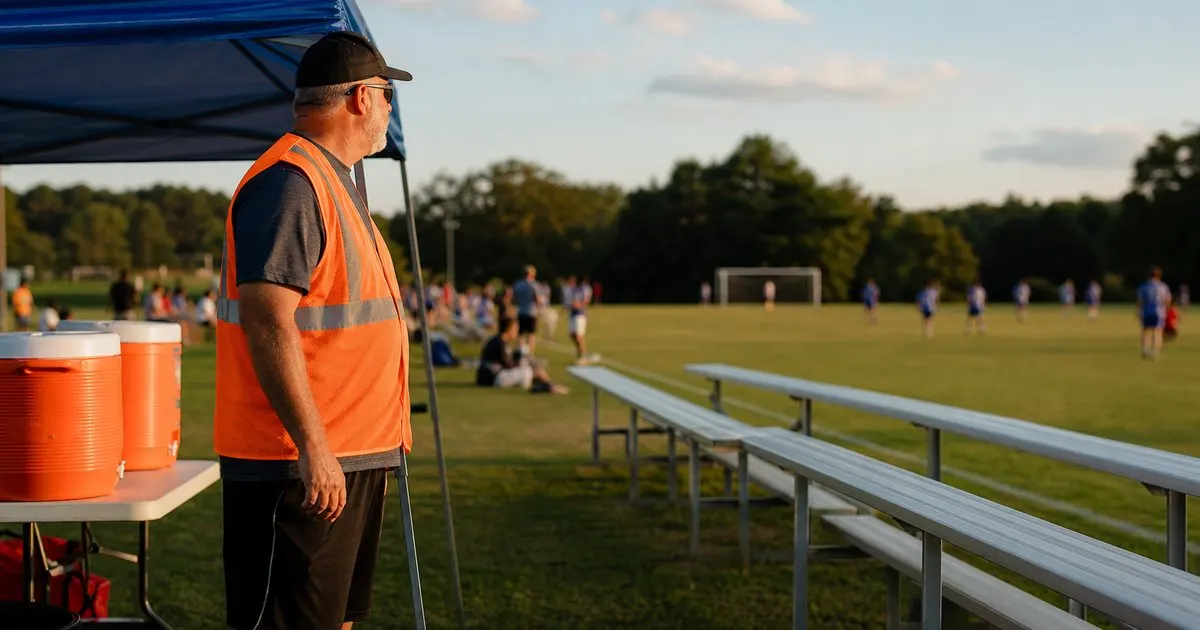
Gyms with metal roofs and fields an hour from the nearest town are where signal goes to die, and it dies at the busiest moment of your day. Here is the workflow we tell organizers to build before they get there.
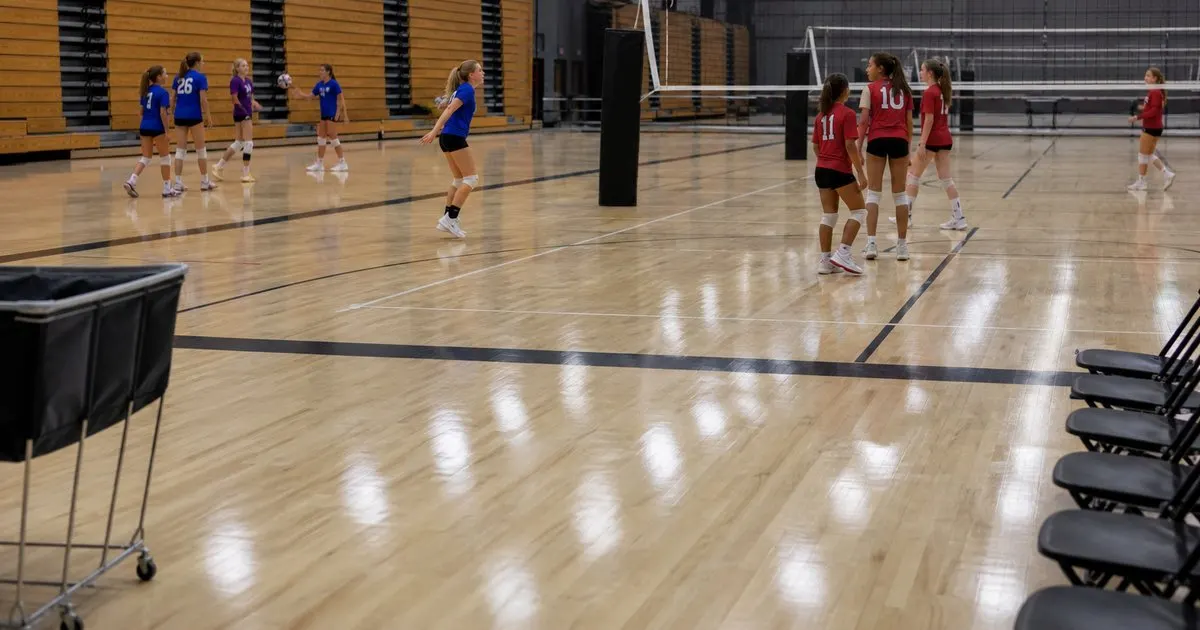
A division with four entries is not automatically a lost cause, and merging is not automatically fair. Here is how we work through the decision and what to tell families once it is made.