Which Bracket Size Works Best for a One Day Weekend Tournament?
Fit the bracket to the day or you run out of hours. Here is how to size a bracket that finishes in one weekend day.
Size the bracket by counting backward from your available hours and how long a game takes, which tells you how many rounds and teams actually fit. More courts running in parallel let you handle more teams. Single elimination fits a tight day fastest, and sizing under your maximum leaves a buffer for overruns.

Count backward from your hours
Start from how many hours of play you have and how long a game takes. That tells you how many rounds, and therefore how many teams, actually fit in a day. Related: Which Rounds of a Bracket Should Use Best of Three Instead of One Game?
Sizing a bracket without doing this math is how tournaments run past dark.
Keep reading: How Do You Seed Teams Fairly in a Single Elimination Tournament Bracket?, What Is the Difference Between Single and Double Elimination Tournament Formats?, Why Do Spectators Prefer a Live Updating Bracket Over a Printed One?. See how LiveBracketr helps you live tournament brackets and score updates.
More courts allow more teams
Running games in parallel across several courts multiplies how many teams you can handle in the same hours. Your court count is as important as the clock. Related: What Is the Best Way to Schedule Courts When Several Brackets Run at Once?
Two courts can roughly halve the time a round takes.
Single elimination fits a tight day
For a one-day event, single elimination completes fastest. A field sized to your hours, often 8 or 16 teams, finishes cleanly with time for a final. Related: How Do You Seed Teams Fairly in a Single Elimination Tournament Bracket?
If you want more games per team, add short pool play only if the hours allow. Related: When Should a Tournament Use Pool Play Before the Elimination Bracket Begins?
Leave a buffer for overruns
Games run long, and a packed schedule with no slack falls apart by afternoon. Sizing slightly under your maximum leaves room for the day's inevitable delays.
A bracket that finishes comfortably beats one that technically fit on paper.
- Count backward from your available hours and game length
- More courts let you fit more teams in the same day
- Single elimination completes fastest for a one-day event
- Size under your maximum to leave a buffer for overruns

Julien Jimenez
Julien Jimenez is an independent software builder based in Paris. He designs, ships, and operates focused SaaS products for small businesses and independent professionals. Read the full author page.
Frequently asked questions
How do extra courts affect the bracket size you can run?
Running games in parallel across several courts multiplies how many teams you can handle in the same hours, so your court count matters as much as the clock. Two courts can roughly halve the time a round takes.
Why size a one-day bracket under its maximum?
Games run long, and a packed schedule with no slack falls apart by afternoon. Sizing slightly under your maximum leaves room for the day's inevitable delays, so the bracket finishes comfortably rather than just fitting on paper.
Live brackets everyone can follow
Live tournament brackets and score updates. LiveBracketr is built to help you put this into practice.
Create a bracketMore from the LiveBracketr blog
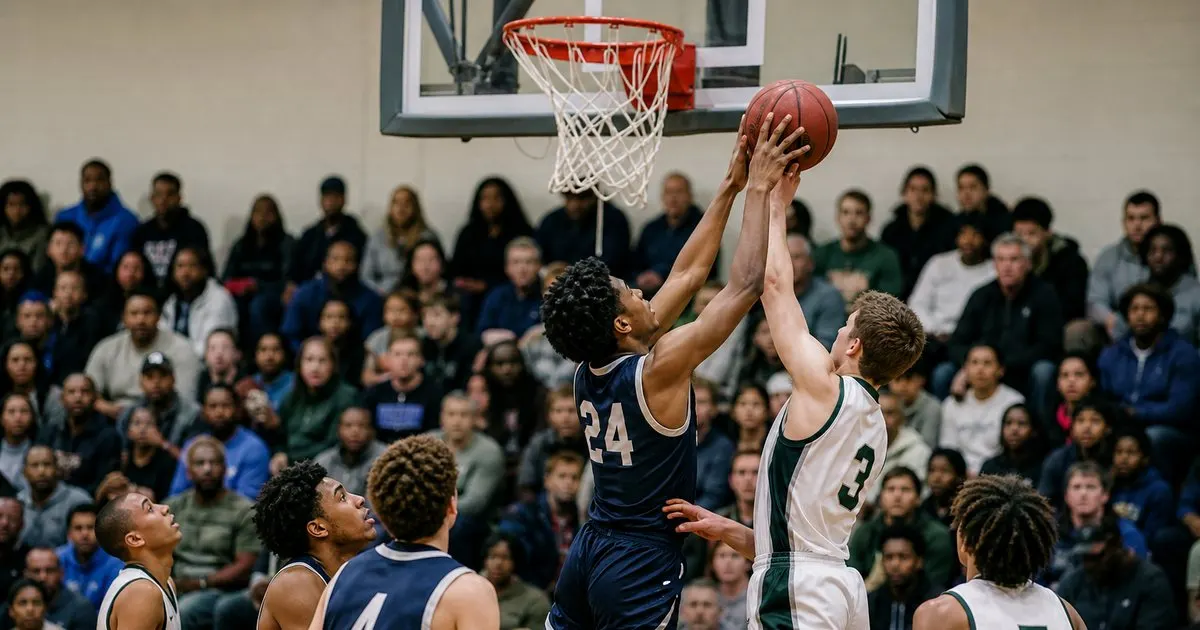
How Do You Seed Teams Fairly in a Single Elimination Tournament Bracket?
Why Do Spectators Prefer a Live Updating Bracket Over a Printed One?
Get the LiveBracketr playbook
Practical guides on tournament brackets, straight to your inbox as we publish them. No spam, unsubscribe any time.