How Do You Break Ties in a Round Robin Pool When Records Are Equal?
Equal records are the norm in small pools, not the exception. Here is a tiebreaker order that holds up when three coaches are standing at your table asking why their team is not advancing.
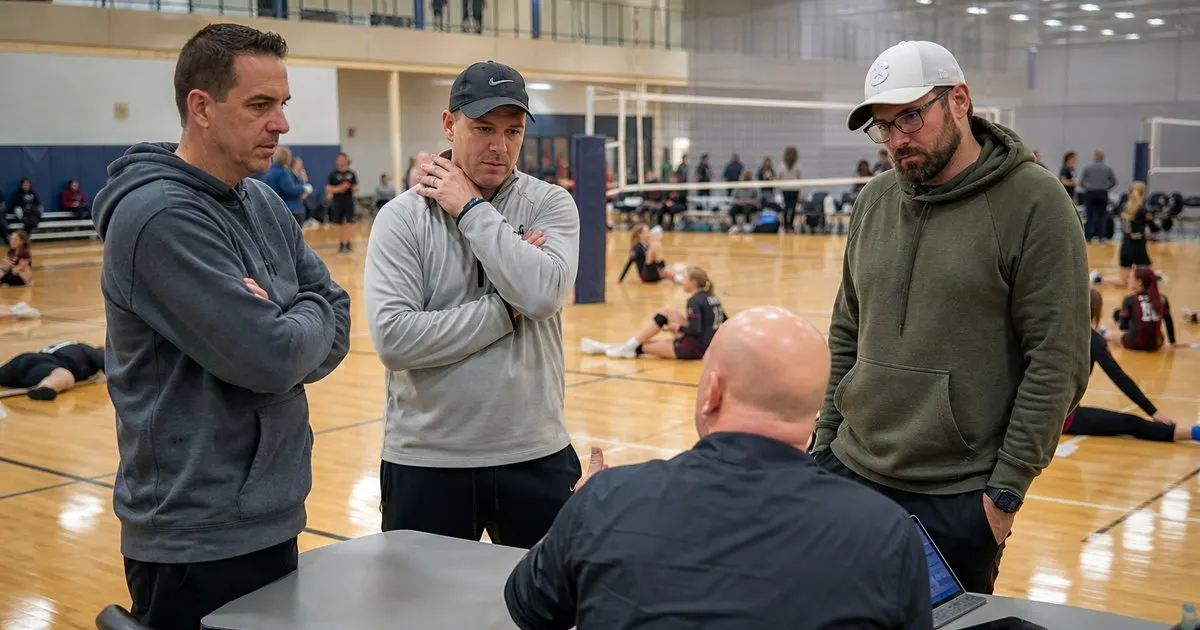
Why ties happen far more often than organizers expect
In a four team pool, every team plays three matches and there are only four possible records: 3-0, 2-1, 1-2, and 0-3. With six results spread across four teams, two teams sharing a record is the usual outcome, and a three way tie at 2-1 with one winless team shows up at almost every event of any size. Five team pools are a little better because each team plays four matches, but they still produce shared records most of the time. Ties are not an edge case in pool play; they are the default, and the tiebreaker rules decide who reaches the bracket as often as the games do. Related: How Do You Seed Teams Fairly in a Single Elimination Tournament Bracket?
The costly mistake is choosing tiebreakers on the day. Whatever you pick after the results are known will look like favoritism to the coach it goes against, even if the choice was reasonable. Put the full tiebreak order in the tournament packet, on the sign at the scorer's table, and on the live bracket page before the first serve. A useful internal rule for directors: if a tiebreaker is not written down before play begins, it does not exist, and you fall through to the last published step. Related: Why Do Spectators Prefer a Live Updating Bracket Over a Printed One?
Keep reading: How Do You Seed Teams Fairly in a Single Elimination Tournament Bracket?, What Is the Difference Between Single and Double Elimination Tournament Formats?, Why Do Spectators Prefer a Live Updating Bracket Over a Printed One?. See how LiveBracketr helps you live tournament brackets and score updates.
A tiebreaker order that survives scrutiny
For a two way tie, the sequence most organizers settle on is: head to head result first, then point (or set, or goal) differential across all pool matches, then fewest points allowed, then most points scored, then a coin flip or draw. For a three way tie, head to head usually fails because each team beat one and lost to one, so the rules should skip straight to differential among the tied teams only, then across the whole pool. Once one team separates, many rule sets restart the sequence from head to head for the remaining two; others continue down the list. Either is defensible, but you must state which one you use.
Capping differential per match removes the incentive to run up the score against the weakest team in the pool. A cap of a chosen number of points in basketball, or using set ratio before point ratio in volleyball, keeps a blowout from deciding the standings. The tradeoff is that caps create more ties at the cap, so you need the deeper steps (points allowed, points scored) to be defined. Whenever teams have played an unequal number of matches because of a forfeit or a rainout, switch from raw differential to a ratio, such as points won divided by points played, so a team with fewer games is not penalized. Related: When Should a Tournament Use Pool Play Before the Elimination Bracket Begins?
Sport specific wrinkles worth writing down
Volleyball uses sets as the natural unit: set ratio (sets won divided by sets played) comes before point ratio, and your rules should say whether a shortened third set counts at full value. Soccer typically goes goal differential, then goals for, and some events add a fair play step using cards. Basketball uses point differential with a cap. Baseball and softball often use runs allowed per defensive inning rather than raw runs, because run rules end games early and a team that mercy ruled its opponent played fewer innings. Pickleball and tennis usually rank by match record, then game or set percentage, then point percentage.
Forfeits need a defined score so the differential math has an input. Pick the minimum full win in your sport (for example, two sets to zero at the standard set score, or a single goal to nil) and record every forfeit exactly that way. If a forfeited match is left blank, some teams have differential from three matches and others from two, and the ratio comparisons stop meaning the same thing. Also state whether a forfeit win counts for head to head; most organizers say yes, since the team was present and ready.
Running the tiebreak on the day without drama
Make the math visible. Post standings after every match with separate columns for record, differential, points allowed, and points scored, and mark which rule number decided each tied position. When coaches can see the column that was used and check it against the score sheets, arguments shrink to arithmetic. A live standings page that recalculates as scores are entered does this automatically; a spreadsheet at the director's table works too, as long as one person owns it and updates it after every result rather than at the end of the pool. Related: What Is the Fastest Way to Update Scores During a Busy Tournament Day?
Have one person own tiebreaks, and make it the director rather than the scorekeeper who entered the numbers. Before announcing bracket placements, walk the affected coaches through the tiebreak in a minute or two: show the standings, point at the printed rule, confirm the score sheets. If the sequence reaches a coin flip, do it in front of both coaches with a witness. Then lock the bracket and move on. Reopening a decided tiebreak delays every other team waiting on the bracket, and it teaches coaches that pressure works.
- Publish the full tiebreaker order before the first match, because any rule chosen after results are known looks like favoritism.
- Head to head settles most two way ties but rarely resolves a three way tie, so define what comes next and whether the sequence restarts.
- Cap per match differential or use ratios so nobody benefits from running up the score or from playing fewer matches.
- Show the standings columns and the rule number that decided each position so coaches can verify the math themselves.

Julien Jimenez
Julien Jimenez is an independent software builder based in Paris. He designs, ships, and operates focused SaaS products for small businesses and independent professionals. Read the full author page.
Live brackets everyone can follow
Live tournament brackets and score updates. LiveBracketr is built to help you put this into practice.
Create a bracketMore from the LiveBracketr blog

How Do You Seed Teams Fairly in a Single Elimination Tournament Bracket?

Why Do Spectators Prefer a Live Updating Bracket Over a Printed One?
Get the LiveBracketr playbook
Practical guides on tournament brackets, straight to your inbox as we publish them. No spam, unsubscribe any time.